Dowel Joint Alignment Tricks for Perfect Results
Dowel joints are only as good as their alignment. These tricks for centering dowel holes and keeping pieces square make the difference between tight and sloppy joints.
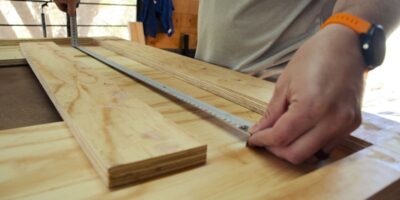
Dowel joints are only as good as their alignment. These tricks for centering dowel holes and keeping pieces square make the difference between tight and sloppy joints.
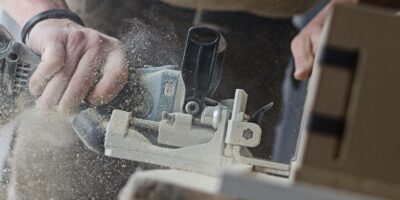
Biscuit joinery shines for alignment and panel glue-ups. Understanding where biscuits work well and where they fall short helps you use them appropriately.
Miter joints create clean corners with no visible end grain. Mastering the technique requires attention to blade angle, fence alignment, and assembly pressure.

Rabbet joints are workhorses in cabinet and box construction. This step-recessed joint provides positive registration and increased glue surface for stronger assemblies.
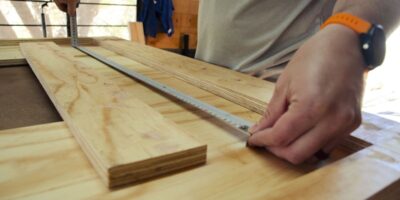
Dado joints capture shelves and dividers in grooves for strong, well-aligned assemblies. Getting clean, tight-fitting dados requires proper setup and technique.
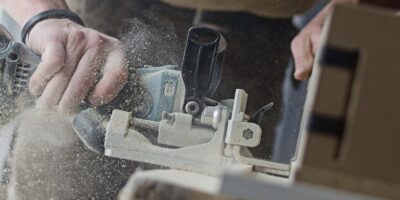
Finger joints, also called box joints, create strong corner connections with plenty of long-grain glue surface. Cutting them accurately requires jig precision.

Box joints offer the strength of dovetails with simpler setup. A well-tuned table saw jig produces tight-fitting interlocking fingers every time.

The mortise and tenon is the foundational joint in furniture making. Mastering it opens doors to building chairs, tables, beds, and virtually any wood furniture.
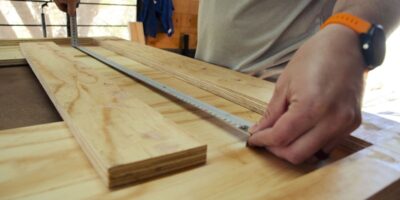
Dovetails are the signature joint of quality furniture. Whether hand-cut or machined, well-executed dovetails add both strength and craftsmanship to drawer boxes and cases.
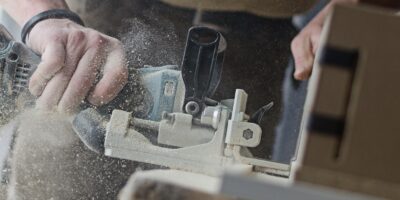
Joinery is what separates furniture from assembled parts. Understanding how different joints work helps you choose the right connection for each application.