Designing Furniture for Seasonal Wood Movement
Wood expands and contracts with humidity changes. Designing furniture that accommodates this movement prevents cracked panels, split joints, and buckled tops.
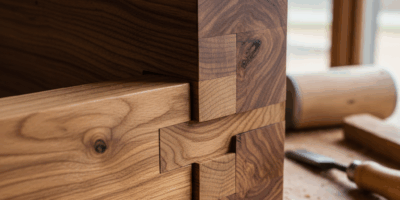
Wood expands and contracts with humidity changes. Designing furniture that accommodates this movement prevents cracked panels, split joints, and buckled tops.
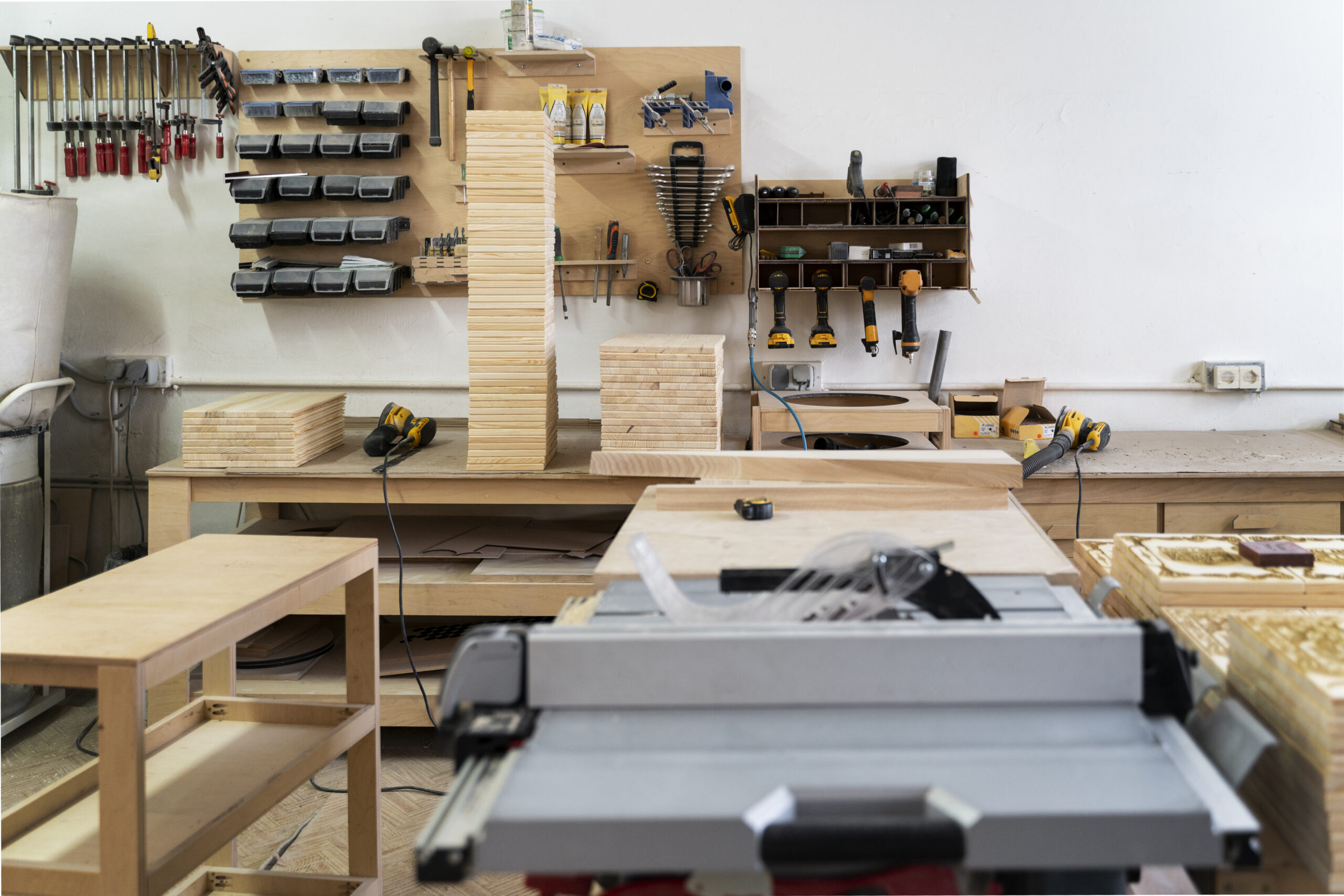
Traditional Japanese joinery creates furniture that holds together through mechanical precision alone. These techniques require patience but produce stunning, lasting results.

Drawboring adds a pegged mechanical lock that pulls the tenon tight into the mortise. This centuries-old technique still works as well as it ever did.

Wedging a through tenon creates a permanent mechanical lock that gets tighter over time. Plus, the exposed wedges become a beautiful design element.
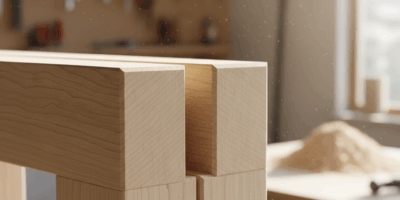
Through tenons show your joinery to the world. Getting the shoulders perfectly flush takes careful layout and clean cutting technique.
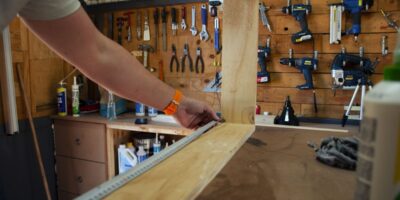
Half-lap joints are among the first joints many woodworkers learn, and for good reason. They are simple to cut, strong in use, and versatile across many applications.
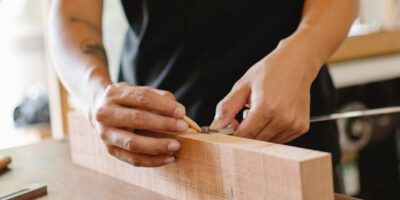
Bridle joints and mortise-and-tenon joints serve similar purposes in frame construction. Each has advantages depending on your specific application and design goals.
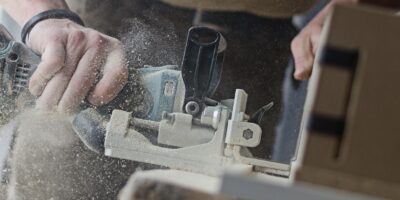
Spline joints add significant strength to mitered corners. A properly fitted spline provides both mechanical reinforcement and increased glue surface area.
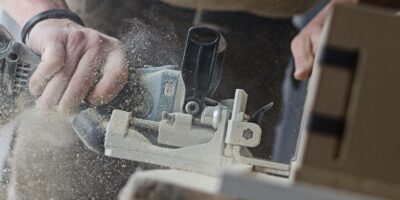
Biscuit joinery shines for alignment and panel glue-ups. Understanding where biscuits work well and where they fall short helps you use them appropriately.
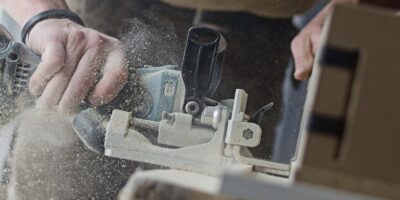
Finger joints, also called box joints, create strong corner connections with plenty of long-grain glue surface. Cutting them accurately requires jig precision.
Stay in the loop
Get the latest master wood crafters updates delivered to your inbox.