
Working with Open Grain Wood: What I’ve Learned the Hard Way
As someone who’s worked extensively with oak, ash, and walnut over the years, I learned everything there is to know about open grain wood and its quirks. Today, I will share it all with you. Because if nobody warns you about the finishing challenges upfront, you’ll find out the hard way — trust me, I did.
What Makes Wood “Open Grain”?
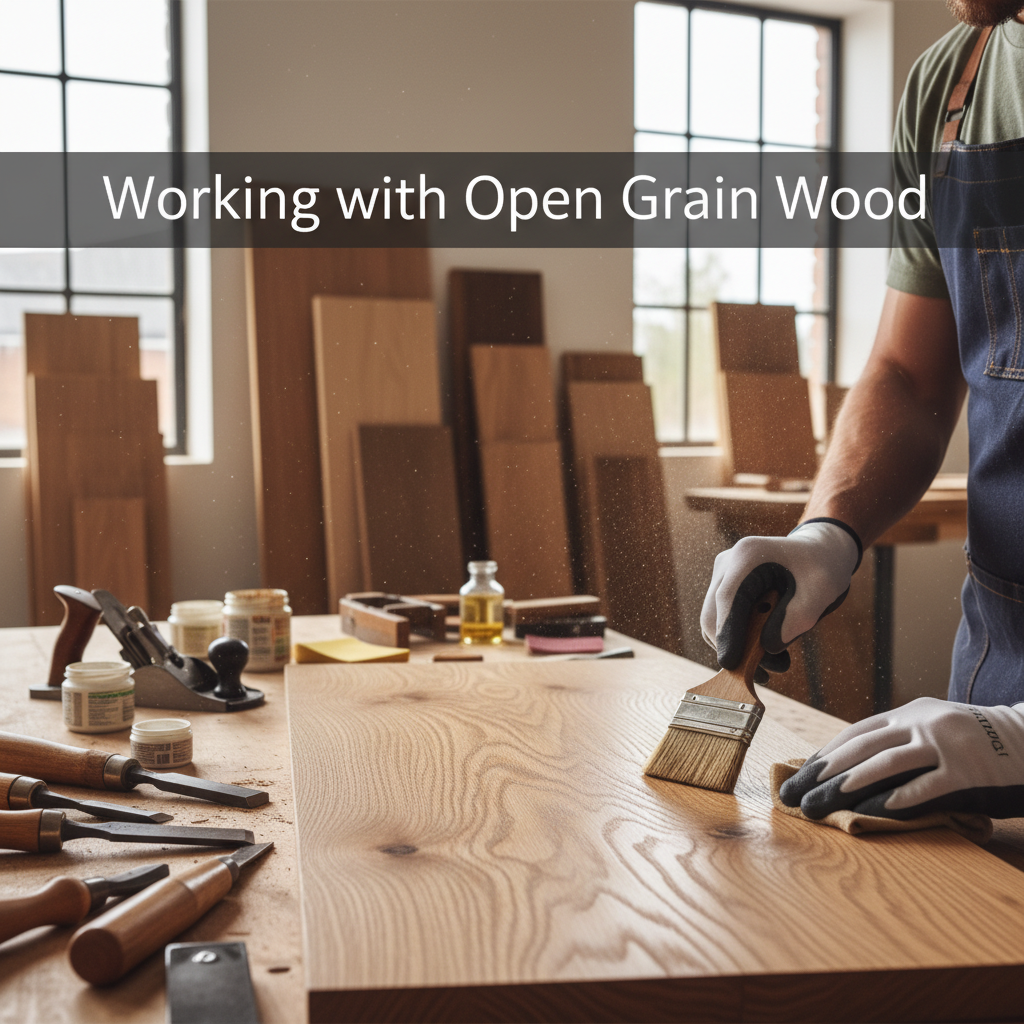
Open grain wood has visible pores you can see and feel. Run your finger across a piece of red oak and you’ll notice those tiny channels running along the surface. That’s the open grain. It gives the wood character and texture, but it also creates some unique challenges when it comes to finishing.
Common Open Grain Species
Open grain wood choices have gotten complicated with all the exotic options flying around, but these are the ones you’ll encounter most often:
- Oak — The workhorse. Durable, beautiful grain, and available everywhere. Both red and white oak are open grain, though white oak’s pores are smaller.
- Mahogany — Rich color and smooth working properties. A classic for fine furniture and guitars.
- Ash — Strong with a pronounced grain pattern. Excellent for tool handles, sports equipment, and furniture.
- Elm — Wild, interlocking grain that’s gorgeous but can be tricky to work. Great for chair seats and decorative pieces.
- Walnut — My personal favorite. Dark, rich, and the grain pattern makes every piece unique.
The Characteristics You Need to Know
Those big pores aren’t just cosmetic — they affect how the wood behaves. Open grain species tend to absorb finish unevenly. Pour some stain on a piece of oak and watch what happens: the pores soak it up like a sponge while the flat areas between them barely change color. That’s why grain filler exists, and why it’s basically mandatory if you want a smooth, glass-like finish.
Open grain wood also reacts more to humidity changes. The pores allow moisture in and out more readily, which means more expansion and contraction through the seasons. I’ve had oak panels shift a quarter inch between summer and winter. You’ve got to account for that in your joinery.
Where Open Grain Wood Shines
Furniture
Oak and ash tables are practically indestructible. The pronounced grain adds visual interest that closed-grain woods just can’t match. Every piece is one-of-a-kind because the grain patterns never repeat. That’s what makes open grain wood endearing to us furniture makers — you’re working with something truly unique every time.
Flooring
Oak flooring is a classic for good reason. It’s hard enough to handle foot traffic and the grain pattern hides minor wear and tear. Yeah, it needs more maintenance than something like maple, but the look is worth the effort.
Musical Instruments
Mahogany and walnut have acoustic properties that luthiers love. The open pore structure affects how sound resonates through the wood. Some of the best-sounding guitars I’ve ever played had mahogany backs and sides.
Decorative Paneling and Woodturning
The texture of open grain wood adds warmth to wall panels — mahogany paneling in particular has that timeless, library-quality feel. Woodturners and carvers also gravitate toward these species because the pronounced grain adds visual depth and interest to turned bowls, spindles, and carved details.
How to Finish Open Grain Wood Properly
Probably should have led with this section, honestly — it’s where most people run into trouble.
The process goes like this: Sand the surface smooth (I usually go up to 220 grit). Apply your grain filler, working it into the pores with a plastic spreader or stiff brush. Let it set up until it hazes — usually 15 to 30 minutes depending on the product. Then scrape off the excess across the grain with a stiff card. Let it dry completely, then sand lightly again with 320 grit. Now you’ve got a filled, smooth surface ready for stain and topcoat.
Types of Grain Fillers
- Water-based: Dry fast, easy to sand, clean up with water. The downside is they can raise the grain slightly, meaning extra sanding.
- Solvent-based: Longer working time and less shrinkage. Cleanup is messier but the results are consistent.
- Oil-based: Durable finish, excellent for high-wear surfaces. Takes longer to dry but provides a hard fill.
I usually match the filler color to the wood for a natural look, but contrasting filler colors can create striking effects — like a dark filler in light ash. It’s a design choice worth experimenting with on scrap pieces.
The Challenges (and How I Deal with Them)
Uneven finish absorption is the big one. If you skip the grain filler, your final finish will look blotchy where stain pools in the pores. Proper filling and sanding technique solves this entirely.
Wood movement is the other major consideration. You simply cannot fight it. Design your joinery to accommodate seasonal changes — breadboard ends on tabletops need elongated screw holes, panel doors need room to expand in their frames, and tabletops should be attached to bases with hardware that allows movement.
Keeping open grain clean is also a bit more work. Dust settles into those pores and a flat cloth won’t always get it out. A soft brush or vacuum with a brush attachment works better than just wiping.
Tips for Selecting the Right Piece
When you’re at the lumber yard, here’s what I look for:
- Grain pattern: Pick boards where the grain complements your design. Quartersawn oak has that distinctive ray fleck pattern that’s spectacular in furniture.
- Color consistency: Open grain species can vary a lot board to board. Lay out your selections together to make sure they’ll look cohesive.
- Strength and intended use: Ash for something that needs to flex. Oak for something that needs to last. Walnut for something that needs to look incredible.
- Workability: Some open grain woods (looking at you, elm) can be a bear to machine cleanly. Make sure you’ve got sharp tools and patience.
- Budget: Walnut and mahogany aren’t cheap. For practice pieces or shop furniture, oak and ash give you the open grain experience at a friendlier price point.
Long-Term Care
Regular dusting and occasional cleaning with a wood-safe product keeps things looking good. Refinishing every few years — or whenever the surface starts looking tired — protects your investment. Watch the humidity in your home, especially if you’ve got wide panels of open grain wood. A dehumidifier in summer and a humidifier in winter can prevent a lot of headaches.
For outdoor applications (yes, some people use oak outdoors), use a marine-grade finish and seal every surface including end grain. Regular maintenance checks will catch problems before they become disasters.
Open grain wood takes a little more knowledge and effort than its closed-grain cousins, but the results are absolutely worth it. There’s a richness and depth to these species that you just can’t get any other way.


Stay in the loop
Get the latest master wood crafters updates delivered to your inbox.