How to Fix Broken Joints So Repairs Look Invisible
When furniture joints fail, the repair can be invisible. Learn the techniques professionals use to fix broken joinery and restore structural strength.
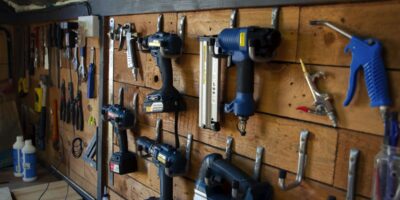
When furniture joints fail, the repair can be invisible. Learn the techniques professionals use to fix broken joinery and restore structural strength.
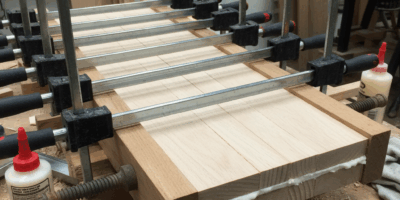
Over-clamping crushes wood fibers and weakens glue joints. Find the right balance between enough pressure for good adhesion and too much that damages your work.
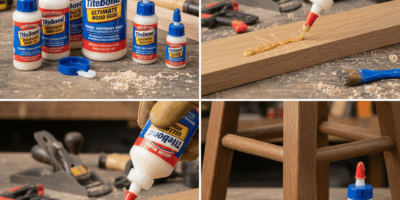
Each Titebond formula serves different purposes. Understanding when outdoor exposure, assembly time, or heat resistance matters helps you pick the right adhesive for each project.

Router jigs turn a versatile tool into a precision joint-cutting machine. Build these three essential jigs for dados, rabbets, and box joints in your shop.

Machine-cut dovetails are fast, but hand-cut joints teach you to read wood and develop skills that transfer to every other aspect of woodworking.
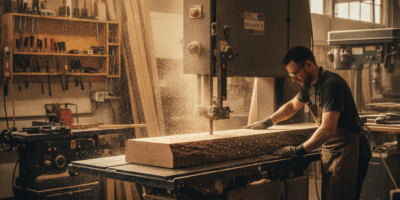
Turning rough-sawn boards into flat, square, dimensioned lumber takes the right sequence. Master this milling process for consistent, reliable results.
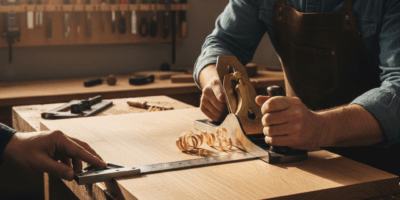
Squaring lumber in the wrong order wastes time and creates new problems. The correct sequence builds accuracy with each step rather than fighting previous mistakes.

Warped boards are not ruined boards. With patience and the right techniques, you can flatten twisted, cupped, or bowed lumber back into usable stock.
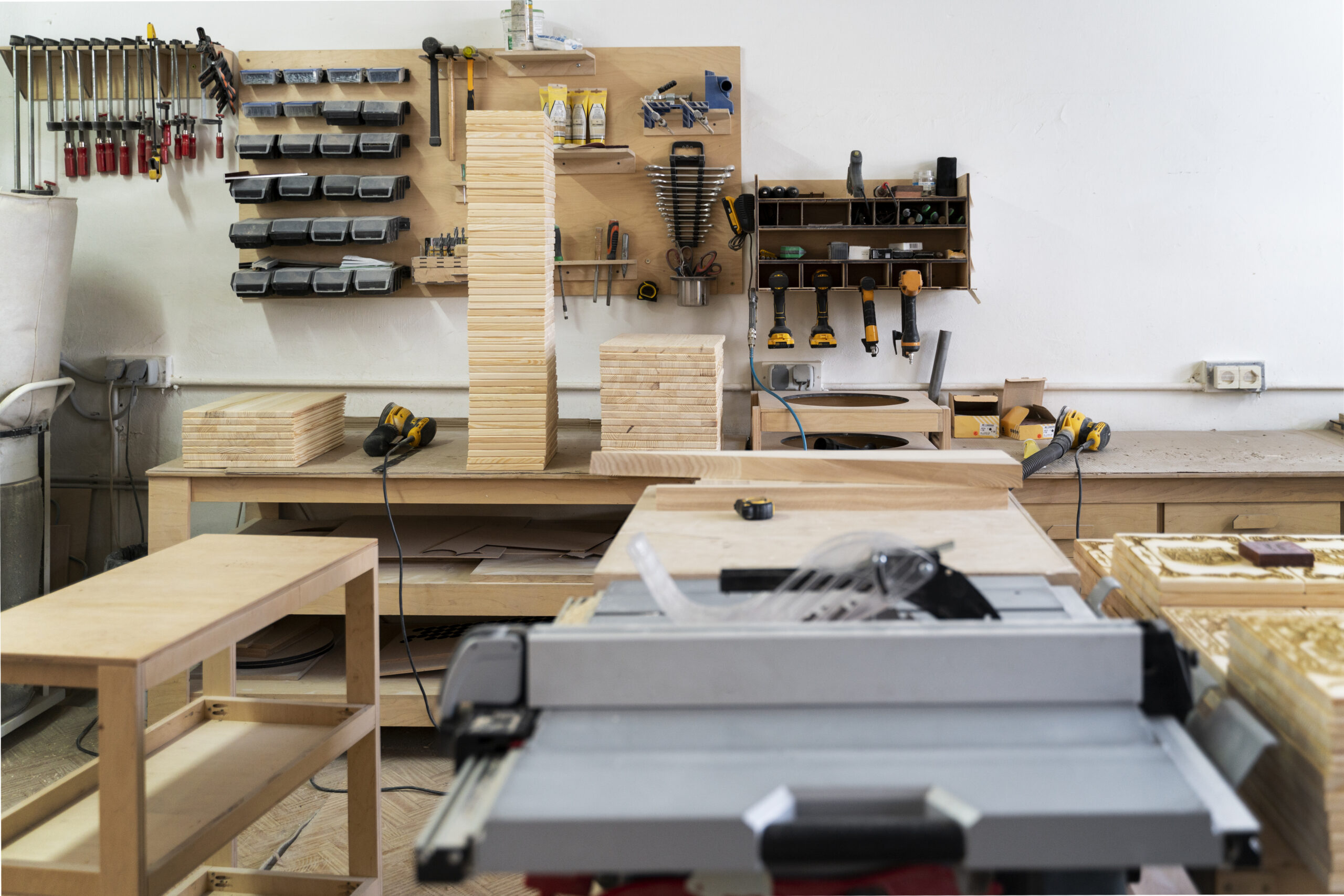
The lumber yard is where good projects start. Knowing what to look for in grain pattern, moisture content, and defects saves headaches later in the shop.

Wood grain tells you how a joint will perform. Reading runout, cathedrals, and quarter-sawn patterns helps you position pieces for maximum strength.