
Miter joints look beautiful but hide a dirty secret: end grain glued to end grain creates one of the weakest bonds in woodworking. That gorgeous 45-degree picture frame corner? It’s held together with hope and habit until you reinforce it properly. Spline joints transform these fragile connections into structural members that will outlast the wood itself.
Why Miters Need Reinforcement
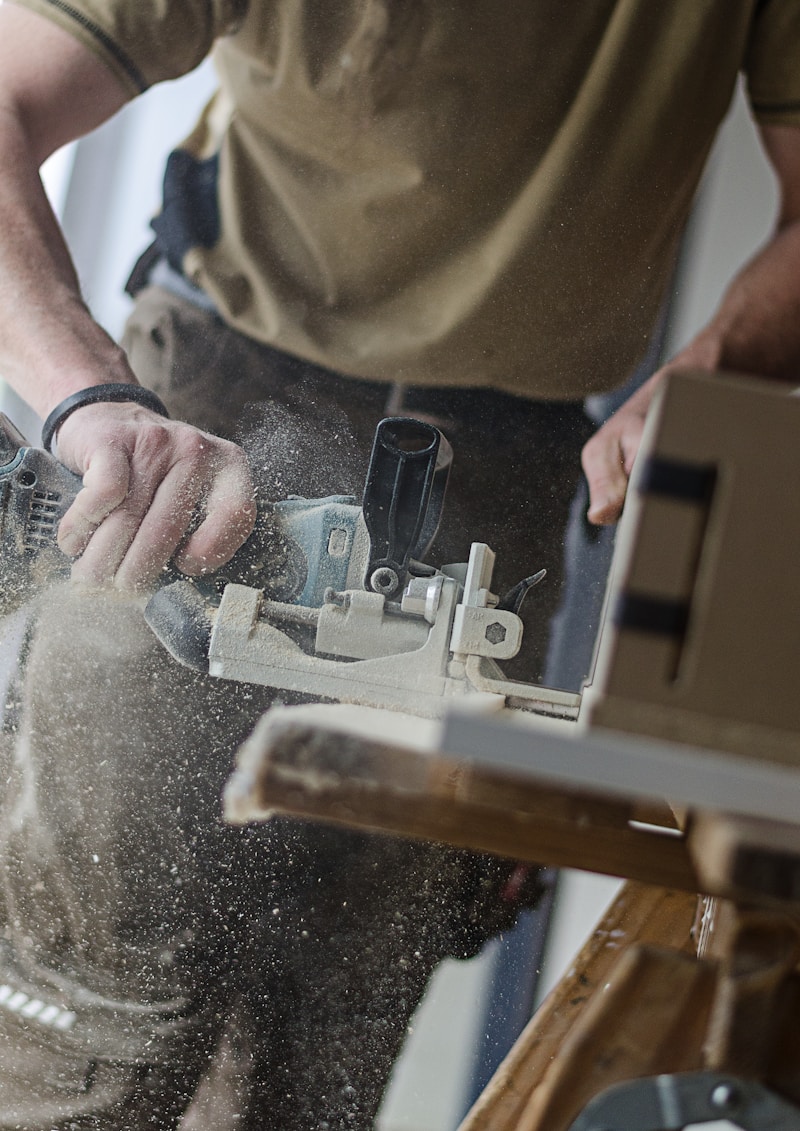
The problem comes down to wood anatomy. End grain acts like a bundle of drinking straws, wicking glue deep into the fibers rather than creating a strong surface bond. A plain miter joint relies almost entirely on this compromised glue surface. Pick up any antique picture frame with separated corners, and you’re seeing this failure mode in action.
Splines solve this by introducing long-grain surfaces into the equation. A thin strip of wood inserted into matching slots across the miter creates face-grain-to-face-grain glue surfaces. This single addition can increase joint strength by 300% or more.
Cutting the Spline Slots
You have two main approaches: table saw with a jig, or router with a slot-cutting bit. The table saw method offers more control for most woodworkers.
Build a simple cradle jig that holds your mitered workpiece at 45 degrees to the blade. The miter joint rides flat in the V-shaped cradle while you push it through the blade. Set your blade height to cut about two-thirds through the joint thickness. Cutting too deep weakens the outer corner; too shallow leaves insufficient glue surface.
For router work, clamp the assembled miter flat on your bench and run a slot-cutting bit along the outside corner. This approach works well for larger frames where table saw handling becomes awkward.
Spline Material Selection
Plywood makes the strongest splines. The cross-grain layers resist splitting along the joint line, and the consistent thickness matches standard saw kerfs. Use 1/8-inch Baltic birch for most applications.
Solid wood splines work fine if you orient the grain correctly. The spline grain must run perpendicular to the miter line. If it runs parallel, the spline becomes a splitting plane rather than reinforcement. I’ve seen craftsmen make this mistake on otherwise beautiful work, only to watch the joints fail within a season.
Sizing and Fitting
Cut your splines slightly narrower than the slot depth on each side. You want them to bottom out against solid wood, not create a hydraulic lock with excess glue. A gap of 1/32 inch at the bottom of each slot gives the glue somewhere to go.
The fit should be snug but not forced. You’re looking for that satisfying friction fit where the spline slides in with hand pressure but doesn’t fall out when inverted. Too tight, and you’ll squeeze out all the glue. Too loose, and you’ve gained nothing.
Assembly Sequence
Dry-fit everything first. Seriously. Discovering a problem during glue-up leads to rushed decisions and mediocre results.
Apply glue to the slot walls, not the spline. The spline will scrape glue off itself as it enters, leaving starved surfaces. Coat the slot walls thoroughly, insert the spline, then apply more glue to the miter faces before clamping.
Use band clamps or dedicated miter clamps that pull the corners together without sliding them apart. Standard bar clamps tend to push miters out of alignment unless you’ve got exactly opposing pressure.
Decorative Variations
Contrasting wood splines add visual interest while providing structural benefit. Walnut splines in maple, cherry in white oak, or ebony in any light wood create distinctive details that announce quality craftsmanship.
Multiple thin splines often look better than a single thick one, and they provide more glue surface. Three 1/8-inch splines beat one 3/8-inch spline both structurally and aesthetically.
Whether you’re building picture frames, case miters, or decorative boxes, spline joints elevate your work from hopeful to permanent. Master this technique, and you’ll never trust a plain miter again.


Stay in the loop
Get the latest master wood crafters updates delivered to your inbox.