Pocket Hole Joinery: Fast, Strong, and Underrated

Understanding Pocket Hole Joinery

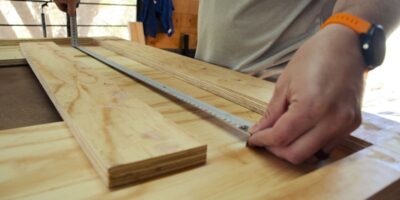
Woodworking technique demonstration
Professional woodworking technique

Pocket hole joinery has revolutionized how many woodworkers approach cabinet and furniture construction. This system uses angled pilot holes drilled into one workpiece, through which self-tapping screws connect to the mating piece. The result is a fast, strong joint that requires no complex setup, no glue (though adding glue increases strength), and no clamping time. What once took hours with traditional joinery can be accomplished in minutes with pocket holes.

Why Pocket Holes Work

The strength of pocket hole joinery comes from the mechanical connection of the screw threads gripping into the mating piece, combined with the clamping action that pulls the two pieces tightly together. When properly executed in solid wood or quality plywood, pocket hole joints match or exceed the strength requirements for most furniture applications. The joint is immediately ready for use—no waiting for glue to cure.

Advantages Over Traditional Joinery

Speed is the primary advantage. A face frame that might require hours to construct with mortise and tenon joints can be assembled in minutes with pocket holes. The joints require no visible fasteners from the show side, maintaining a clean appearance. Disassembly is possible if needed—simply back out the screws. And the technique is accessible to beginners who lack the equipment or experience for more demanding joinery methods.

The Pocket Hole System

Essential Equipment

A pocket hole jig positions and guides the drill bit at the correct angle—typically 15 degrees. The jig may be a simple block with hardened steel bushings or an elaborate clamping fixture with adjustable settings for different material thicknesses. A stepped drill bit matches the system, drilling both the pocket and pilot hole in one operation. Purpose-built square-drive screws have a self-tapping tip, pan head that seats flat in the pocket, and a shank designed not to split the mating piece.

Material Thickness Settings

Most jigs include adjustments for different material thicknesses, typically ranging from 1/2 inch to 1-1/2 inch stock. Setting the jig correctly ensures the screw exits the angled face at the proper point and penetrates the mating piece to the optimal depth—too shallow reduces holding power, too deep risks breaking through the opposite face. Always verify settings with test pieces before drilling project components.

Drilling Technique

Clamp the workpiece firmly in the jig or clamp the jig firmly to the workpiece—the orientation depends on your specific jig design. Start the drill at high speed before contacting the bushing, maintain steady pressure, and drill until the depth collar contacts the jig. Clear chips frequently to prevent clogging and overheating. For hardwoods, reduce speed and pressure to prevent burning.

Hole Placement

Position pocket holes approximately 2 inches from the ends of boards to prevent splitting. Space additional holes 6 to 8 inches apart for face frames and similar applications. Critical structural joints may benefit from closer spacing. Always keep holes far enough from edges that the screw will not split out the mating piece when driven—typically at least 3/4 inch from any edge.

Assembly Process

Position the workpieces as they will be when joined. A face clamp holds the pieces flush and prevents any slipping as the screw is driven. Drive the screw at moderate speed until the head seats firmly in the pocket—do not overdrive, as this strips the pocket or pulls the pieces too tightly together, potentially causing distortion. The flat-bottom pan head should seat fully against the angled pocket floor.

When to Add Glue

For maximum strength, apply wood glue to the mating surfaces before joining. The screw acts as a clamp, holding the pieces in position while the glue cures. This combination produces stronger joints than either method alone. However, for applications where disassembly might be needed, or where speed is paramount, screws alone provide adequate strength for most furniture applications.

Limitations and Considerations

Pocket holes are not appropriate for every application. The holes are visible on one face, requiring strategic placement to keep them hidden. In natural wood exposed to significant moisture changes, the screw threads may eventually loosen as the wood expands and contracts around the metal. And while strong, pocket joints do not provide the same mechanical interlock as dovetails or mortise and tenon joints—they rely entirely on the screw holding power.

Filling Pocket Holes

For applications where the pockets will be visible, matching wood plugs are available that press or glue into the pockets, hiding the screws. Sand flush after installation for a clean appearance. Alternatively, position pocket holes on surfaces that will be hidden—the bottom of shelves, the back of face frames, or the inside of cabinet components.

David Chen

David Chen

Author & Expert

David Chen is a professional woodworker and furniture maker with over 15 years of experience in fine joinery and custom cabinetry. He trained under master craftsmen in traditional Japanese and European woodworking techniques and operates a small workshop in the Pacific Northwest. David holds certifications from the Furniture Society and regularly teaches woodworking classes at local community colleges. His work has been featured in Fine Woodworking Magazine and Popular Woodworking.

69 Articles
View All Posts

Subscribe for Updates

Get the latest articles delivered to your inbox.