Dowel Joints: Alignment Tricks for Perfect Results

Dowel Joinery Fundamentals

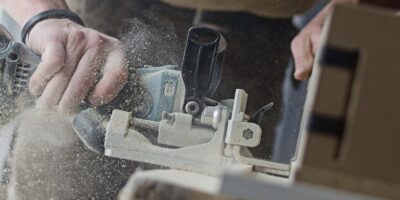
Woodworking technique demonstration
Professional woodworking technique

Dowel joints use cylindrical wooden pegs inserted into matching holes in both mating pieces to create strong, aligned connections. This ancient joinery method predates metal fasteners by millennia and remains relevant today for its simplicity, strength, and clean appearance. Dowels work for edge-joining boards, connecting rails to legs, attaching table tops, and countless other applications where invisible mechanical connection is desired.

Understanding Dowel Joint Strength

When properly executed, dowel joints rival mortise and tenon construction in strength. Each dowel acts as a miniature tenon, providing shear resistance and preventing the joint from twisting or pulling apart. The key factors are dowel diameter, insertion depth, number of dowels used, and the quality of the fit. Multiple dowels spaced along a joint provide redundancy and resist racking forces that a single dowel could not handle.

Sizing Guidelines

Dowel diameter should be approximately one-third to one-half the thickness of the thinner workpiece. For 3/4 inch stock, 5/16 or 3/8 inch dowels work well. Insertion depth on each side should be at least one and a half times the dowel diameter—deeper is generally better, provided you do not weaken the workpiece by drilling too close to an edge. Total dowel length equals both insertion depths plus a small gap to allow for glue accumulation and expansion.

The Alignment Challenge

Perfect alignment is the critical challenge in dowel joinery. Both holes must be positioned identically, and both must be drilled at exactly 90 degrees to the mating surfaces. Any misalignment prevents the joint from closing properly or forces it together at an angle, ruining the appearance and compromising strength. Success requires systematic, careful techniques at every step.

Transfer Methods

Dowel centers—small metal pins with pointed tips—press into the drilled holes in one piece, then mark their positions on the mating piece when the joint is dry-assembled. This method is quick and reasonably accurate for simple joints but can introduce cumulative error on complex assemblies. Mark the centerline of both pieces before separating to ensure correct orientation during assembly.

Self-Centering Doweling Jigs

Commercial doweling jigs clamp to the workpiece and position the drill bit precisely in the center of the stock thickness. The best jigs incorporate hardened steel bushings that guide the drill bit and prevent wandering, ensuring holes at exactly 90 degrees. When drilling both mating pieces with the same jig, alignment is virtually guaranteed—the jig compensates for any minor variations in technique.

Drilling Technique

Use brad-point bits designed for doweling—the center point prevents the bit from walking, and the outer spurs cut clean entry holes with minimal tearout. Set a depth stop on your drill or use tape wrapped around the bit to indicate maximum depth. Apply steady, moderate pressure and clear chips frequently by retracting the bit. Avoid heat buildup that can char the hole walls and weaken the glue bond.

Drill Press vs. Handheld

A drill press ensures perfectly perpendicular holes and consistent depth—ideal for production work or critical joints. For on-site work or awkward positions, a handheld drill with a doweling jig produces excellent results. The jig handles the alignment; your job is simply to drill to depth without forcing or overheating.

Assembly and Glue-Up

Dowel Preparation

Commercial dowels often come with spiral grooves or flutes that serve two purposes: they provide channels for glue and trapped air to escape as the dowel is inserted, and they increase the effective glue surface area. If using plain dowels, cut a shallow groove along the length with a saw or rasp. Also chamfer the ends slightly to ease insertion.

Glue Application

Apply glue to both the hole walls and the dowel itself. A small stick or glue injector helps reach the bottom of deep holes. Insert dowels into one piece first, then align and press the mating piece into position. Work efficiently—you have only a few minutes before the glue begins to grab and adjustment becomes difficult. Clamp firmly and check alignment before the glue sets.

Troubleshooting

If joints will not close fully, the holes may be too shallow, the dowels too long, or excess glue is preventing full insertion. If the joint is sloppy, holes are oversized or misaligned. Both problems are best caught during test fitting before any glue is applied. When working with valuable materials, always drill test holes in scrap of identical thickness to verify your setup.

David Chen

David Chen

Author & Expert

David Chen is a professional woodworker and furniture maker with over 15 years of experience in fine joinery and custom cabinetry. He trained under master craftsmen in traditional Japanese and European woodworking techniques and operates a small workshop in the Pacific Northwest. David holds certifications from the Furniture Society and regularly teaches woodworking classes at local community colleges. His work has been featured in Fine Woodworking Magazine and Popular Woodworking.

68 Articles
View All Posts

Subscribe for Updates

Get the latest articles delivered to your inbox.